Earplugs at festivals and gigs: why they matter and which to choose
Damaged hearing does not heal. Well-chosen earplugs, on the other hand, take almost nothing away from the music.
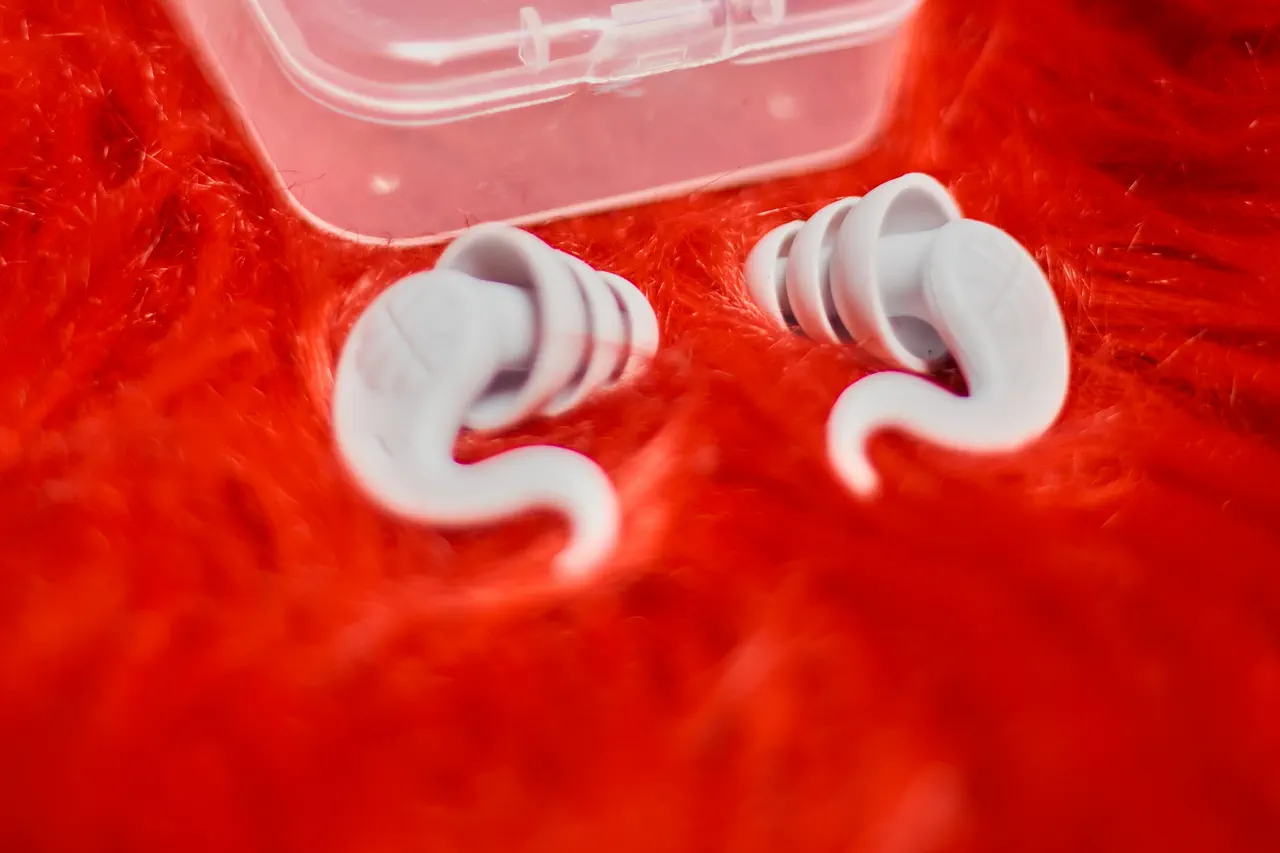
The ringing in your ears as you leave a night out is not a souvenir, it is a warning. According to the World Health Organization, over a billion young adults are at risk of permanent, avoidable hearing loss because of how they listen. Earplugs are the simplest and cheapest protection there is.
Why it matters
Amplified sound from a stage or a club tires out the inner-ear cells that turn vibrations into nerve signals. Some of that fatigue recovers, which is why it seems to come back the next day; repeated or excessive exposure leaves permanent damage: hearing loss, tinnitus that never fades, sensitivity to noise. Risk depends on both level and duration: what counts is the sound energy received, and a festival night piles up both.
Prevention rules rest on the equal-energy principle: every 3 dB increase doubles the sound energy and halves the acceptable exposure time. That is why a level that feels only slightly louder in front of the speakers can mean several times the dose you get at the back of the room.
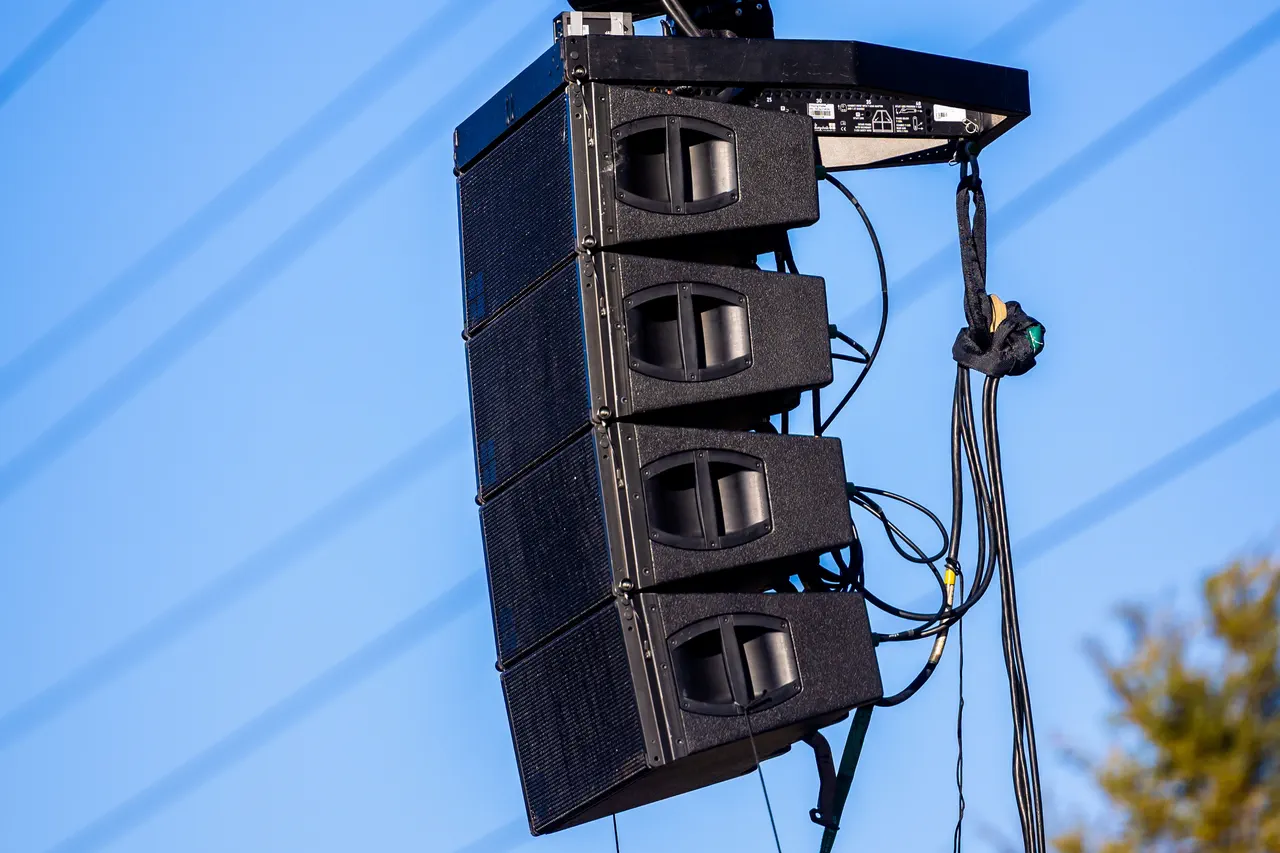
How loud are festivals and clubs?
In France, the decree of 7 August 2017 on amplified sound caps levels at 102 dB(A) and 118 dB(C) averaged over 15 minutes in venues playing amplified music, festivals and clubs included. The WHO, in its 2022 global standard for venues and events, recommends not exceeding 100 dB(A) averaged over 15 minutes. These are ceilings, not safe levels: people spend hours at volumes close to them.
Foam, filtered or custom: which to choose
| Type | The sound | Best for |
|---|---|---|
| Disposable foam | Strong attenuation, but muffled highs: the music sounds dull | Emergencies, camping (for sleeping), tight budgets |
| Filtered, reusable | Lower but flatter attenuation: the sound gets quieter without distorting | Regular goers who want to hear the mix |
| Custom moulded | Attenuation set by a filter, maximum comfort | Regulars, DJs, sound professionals |
On the packaging, look for the SNR rating (in decibels), which sums up the attenuation measured under the European earplug standard. Higher is not better at a gig: a plug that is too strong makes you want to take it out, and a plug you take out protects nothing. Custom moulded plugs are made by a hearing-care professional.
Wearing them properly
- Foam: roll the plug between your fingers until it is thin, pull your ear up and back to open the canal, insert it, then hold it while it expands.
- Filtered: push it in until the flange seals, without forcing. If it falls out while dancing, try another tip size.
- As soon as you arrive, not when it gets too loud: by then your ears have already taken the hit.
- Keep them in a case, and replace foam plugs as soon as they are dirty or no longer expand.
Other good habits
- Step away from the speakers. France's Fondation pour l'audition recommends standing as far as possible from the sound system.
- Take breaks somewhere quiet, in the quiet zone if the venue has one.
- At the campsite, foam plugs also help you sleep while stages are still playing: they are on our camping gear list.
Still ringing the next day: what to do
Ringing, a blocked feeling or reduced hearing after a night out can be signs of acute acoustic trauma. If the symptoms are still there the next day, do not wait: France's Fondation pour l'audition says to see a GP or an ENT specialist within 24 hours, because recovery chances are best early on. Meanwhile, complete rest for your ears, and no new night out.
Earplugs go in the bag with everything else: see our festival packing list and our festival outfit guide. To try them out, see this weekend's parties and festivals.
Frequently asked questions
Do earplugs ruin the sound at a gig?
Foam earplugs muffle the highs. Filtered earplugs lower the volume more evenly, so the music stays clear, just quieter.
Which earplugs should I choose for a festival?
Reusable filtered earplugs for dancing, which protect without distorting the music, and a foam pair for sleeping at the campsite. Custom moulded ones are the most comfortable for regular goers.
Do festivals have to provide earplugs?
In France, yes: the decree of 7 August 2017 requires venues playing loud amplified sound to provide hearing protection to the public free of charge.
My ears are ringing after a night out, what should I do?
If it is still there the next day, or comes with reduced hearing, see a doctor or an ENT specialist quickly: France's Fondation pour l'audition recommends doing so within 24 hours.
Sources
More guides
 Practical · 4 min readFestival outfit: what to wear to a techno festival or a raveYou are not dressing for a photo, you are dressing for ten hours on your feet. Style comes second, and there is more room for it than you think.
 Practical · 3 min readFestival packing list: what to bring, and how to campWhatever you forget can't be bought on site, or only at three times the price. One list, ticked off the night before, and the rest of the weekend is for the music.
 Culture · 3 min readRave, free party, festival: what is the difference?The same word covers a club night, a festival of tens of thousands and an unauthorised party in a field. Here is what sets them apart.
 Destinations · 2 min readSki festivals: electronic music in the mountains this seasonSkiing in the morning, a mountain-top stage in the afternoon, a club in the village at night. The format has its regulars, and its pitfalls.
 Destinations · 2 min readBerghain: dress code, the queue and how to get inNo written dress code, no guest list, no explanation if you are turned away. What is known, what people say, and what is out of your hands.